Welcome to Science is So Sexy!!


For more weekly science articles by Esmeralda,


visit www.mybugsandi.com.


See you Soon for more Sexy Science
Great value Unlimited Broadband from an award winning provider
Showing posts with label Detox. Show all posts

Sunday, 24 January 2016

The truth behind detox plans

0 Sexy People gave their opinion
My Dear Sexy Readers,

This is a topic that I covered about 4 years ago and unfortunately it is still true nowadays as this year again, after our multiple binge eating and drinking, we are being bombarded by those so-called Detox treatments!!!

Our body full of toxins needs to be purified using creams, brushes, special vitamin pills, food supplements, teas, etc.

Getting rid of internal or external toxins

Externally

Pollution particles accumulate on your skin and hair; detox gels/creams/pads help get rid of those impurities.
Companies sell you products that are made with special ingredients to detoxify your skin and hair. But if you look at the composition of those detox shower gels and special shampoos, you will see that the main active ingredients will always be the same as normal shampoos', i.e. a combination of detergent/foaming agent such as Sodium Lauryl/Laureth Sulphate with some derived glycerol compound for the texture, some fragrance, and preservatives such as paraben.

In 2010, the Voice of Young Science Network compiled a report analysing 15 products found on shelves of our major UK supermarkets and pharmacies. They called company sales representatives or advisors and asked them on what basis these specific products were efficient in detoxifying our body, they all admitted they weren't.

These products rely one one infallible mechanism: our body's own detoxifying system:

Let's explore our skin
Skin structure
Our skin is a fantastically well-made barrier: it consists of three main layers, each with its own unique function and purpose. 

The outermost layer, the epidermis is the key to the skin barrier. Made up of overlapping layers of dry cells, the epidermis helps keep moisture in the body and vital nutrients in and damaging substances and elements out.

Think about all the elements and substances you are exposed to every day, such as chemicals, pathogens and sunlight. The human skin does a good job of blocking out all these undesirable substances and forces. And all this happens around the clock, on a level so small you can't even see it.

Internally

The selling point of many products is that we absorb damaging toxins through food and drink. Those detoxifying pills target the build up of toxins inside our organs and help them flushing them out. Or according to representatives from companies that were interrogated by VYSN, toxins are stored in fatty acids and our body has difficulty breaking down those deposits.

Of course with all those detox pills, it will always be recommended to have a healthy low sugar low salt diet and drink plenty of water!!
Now, I'll hear you say, well of course you'll feel better if you stop binge drinking and eat healthy food!

Exactly, that's the point! Our body is perfectly capable of behaving by itself without the need for magic pills. Four organs are responsible for the detoxification of our body: the liver, the kidneys, the intestinal tract and the skin (see above)

Let's have a look at our liver - This chapter has now been extensively written HERE and HERE
Photo from HERE
Among others, our liver is
  • processing digested food from the intestine
  • controlling levels of fats, amino acids and glucose in the blood 
  • combating infections in the body 
  • clearing the blood of particles and infections including bacteria 
  • neutralising and destroying drugs and toxins 
  • manufacturing bile 
  • storing iron, vitamins and other essential chemicals 
  • breaking down food and turning it into energy 
  • manufacturing, breaking down and regulating numerous hormones including sex hormones 
  • making enzymes and proteins which are responsible for most chemical reactions in the body, for example those involved in blood clotting and repair of damaged tissues.
So the liver's roles in detoxification are to filter the blood from toxins and to convert fat-soluble toxins into water-soluble toxins that will be excreted via the kidneys (and then urine) or via the bile (which also works as a bacteria killing detergent).

And those roles don't need no help from pills!!!

Now, these past few years, we have been witnesses of a very disturbing fashion, namely colon cleansing!!!

Colonic Therapy
This colonic irrigation is intended to remove feces and non specific toxins lining the walls of our intestinal tract that are responsible for general ill-health.
But if our body was accumulating toxins on its gut walls, it wouldn't be able to absorb essential nutrients, we'd all be starving to death!

So one of the claims of the beneficial effects of colon therapy being a help to losing weight is self contradictory!

Unfortunately, as well as being complete BS (and I don't mean to insist on the S), irrigating your colon is more damaging that anything else:

Colon cleansing may disturb the delicate but essential balance between bacteria and natural chemicals in the bowell and therefore may interfere with the colon functions. It also disrupts fluid and the balance in electrolytes leading to dehydration and cardiac problems.

Less unintended effect is also the inability to defecate without assistance!!!

Also, on rare occasions, gastrointestinal perforation for incorrect insertion and amoebic infections from poorly sterilized equipment have been reported.

If you really want to "cleanse" your colon , simple fact is eating a healthy diet high in fibers does the trick!!


Conclusion:
From HERE
Healthy low sugar, low salt, high fibers diet, and drinking lots of water is and will always be the best and cheapest Detox plan you'll find on the market!!!

See you Soon for more Sexy Science,
Blog signature ScienceSoSexy.com


Tuesday, 13 January 2015

What are superfoods?

0 Sexy People gave their opinion
My Dear Sexy Readers,

Thank you all for the amazing feedback I got from you on the different social networks about my latest article "What's a gluten-free diet?".

Right after the holiday season, we all love a good detox program to purify our body and soul from all our Christmas sins. Some of us take the plunge and go for the latest fad diet. Whereas others feel they got the whole Healthy Diet with particular attention to superfoods.

But what are those Superfoods everyone seem to talk about these days? And most importantly is there any truth, medical or theoretical evidence that these foods are Super?

What are Superfoods?

Superfoods are nutrient-rich foods that are considered to be especially beneficial for our health and well-being.
Superfood Berries

However the name 'Superfood' has been disputed by many saying that it is a non-medical term used in marketing with little scientific evidence for it. The term itself has been prohibited in the European Union since 2007 unless it is accompanied by a medical notice approved by an medically and scientifically accredited name or organisation.

What are these superfoods?

Berries, nuts and seeds in general, dark green vegetables (such as spinach, kale, collard greens, Swiss chard, Brussels sprouts, and broccoli), citrus fruits, fatty fish such as salmon, mackerel, and sardines, vegetables with bright, dark, or intense colors (such as beets and their greens, and sweet potatoes), many legumes (peanuts, lentils, beans, raw cocoa), and whole grains as a group.

You might say, 'Well, if these are good foods to begin with, foods that could be part of a healthy diet, what's wrong with naming them Superfoods?'

Tweet This - If these are good foods, part of a healthy diet, what's wrong with naming them Superfoods?

And in essence, there's nothing wrong with it if these are actually eaten as part of a healthy diet and not popped in your mouth in a pill form!!!

Green tea leaves from Chengdu
For example, green tea is well known for its superfood quality as it is a superoxidant and contains B vitamins, folate (naturally occurring folic acid), manganese, potassium, magnesium, and caffeine. Many weight loss supplements include green tea extracts but there is currently insufficient scientific evidence that consumption of green tea or its specific extract EGCG has any health benefit.  The FDA itself sent a warning letter in 2013 about false advertising and health claims concerning the effects of green tea consumption.

Why are they called Superfoods?

Many Superfoods contain natural chemicals that have been shown to have positive health effects in laboratory studies. These include antioxidants, vitamins and minerals.

It’s certainly true that a healthy diet can help to reduce the risk of cancer, cardiovascular disease, diabetes but it is unlikely that any single food will make a major difference on its own.  

Cancer Research UK note that Superfoods are often promoted as having an ability to prevent or cure diseases, including cancer; they caution, 'you shouldn’t rely on Superfoods to reduce the risk of cancer. They cannot substitute for a generally healthy and balanced diet'.

Fighting Cancer with Superfoods?

From HERE
There is some lab data that show that some of these ingredients can affect cancer cells in a laboratory setting, including killing them and stopping them from growing. But unfortunately jumping to the conclusion that eating those nutrient-rich foods can affect your cancer outcome is a biiiiiiig leap!

First of all, your body is a complex organism and the interactions between the food we eat and our bodies are much more complex than those between a purified chemical and cells in a tube.
Secondly, food is itself complex: An isolated chemical may behave very differently in a test tube than when it is eaten as part of food.
Last but not least, dose as always is of paramount importance. Even eating very large portions of a ‘superfood’ might not provide enough of a specific ingredient to a sufficient amount to have any effect on our health. For example, garlic contains a nutrient alleged to help reduce cholesterol and blood pressure. But you'd have to eat up to 28 cloves a day to match the doses used in the lab!

Is it bad though?

As part of a healthy diet, the short answer is not at all. With everything though, dosing and pacing are essential. You won't get a quick fix by gorging yourself on Superfoods, you won't cure any disease and your disease risk may not be that much reduced if you are already on a healthy diet. If anything, an exclusive diet might put you at risk of deficiency of other essential nutrients.
Some foods when eaten in large quantities can put you at risk of toxicities - think fish and mercury - for example, some seaweeds contain natural toxins which are thought by some to increase risk of cancer and liver damage.

Do you like your Superfoods? Do you include them in your diet on purpose?

See you Soon for more Sexy Science,

References and further reading
Wikipedia
Cancer Research UK - Superfoods
NHS - Superfoods

Wednesday, 7 January 2015

What's a gluten-free diet?

13 Sexy People gave their opinion
My Dear Sexy Readers,

First of all, I would like to wish you a fantastic New Year!!!!

A lot of people may feel that January is a good month to work on their New Year resolutions.

One of these may be to go gluten-free to help their body cope with the excess food they have accumulated during the holiday season.

Many of you will hopefully detect that the above sentence contains 3 non evidence-based facts*, but as I typed it, I felt strangely liberated like I could do something that would cancel out my overindulgence and Christmas sins!

I'm a greater believer though in knowing the truth and understanding our body (HERE), how it works (HERE and HERE) and how things we ingest (HERE, HERE or HERE) or slather on it do to us (HERE and HERE).

So if you'd like to know the scientific truth about gluten and gluten-free diets that supermarkets, unscrupulous nutritionists and restaurant owners purposefully don't share with you, please keep on reading... (Well, yes of course it's a new and very lucrative business...)

Tuesday, 27 May 2014

What are Probiotics? #Pint2014

2 Sexy People gave their opinion
My Dear Sexy Readers,

We are all so conscious about what we ingest, what we put on and in our body, but still... Liver diseases, Obesity and Type II diabetes are on the increase!

Last week I went to a pub talk on Probiotics. That's right, I went down to the pub, and I listened to a scientist talk about her research using Probiotics to relieve liver disease

If you have followed my recent posts (HERE and HERE), you know that #Pint2014 was in full swing 19th-21st May all over the world! An international Science festival happening over 3 nights in the UK, Ireland, France, Switzerland, Australia and in the US! 

I already covered the first pub talk I went to, which was on the liver. 
That same evening, Dr Jane Macnaughtan was sharing with us the latest results on her research sponsored by Yakult (Oh yes, but before you say anything, Yakult didn't commission the research, the research lab contacted Yakult for advice and funding). 

Why is this important? Because more and more, I see scientific articles claiming that this or that disease is controlled by the bugs residing in our gut linings, that they are the real brain in our body. 

So I'll start with some basic info, and I will include Dr Jane talk in "quotes".
Our gut bacteria
Humans are now thought as super-organisms on the basis of the genetic potential encoded within our resident microbial populations in addition to our own genome. 
"If our body is composed of about 10 trillion cells, we also contain 100 trillion bacteria!"
There are varying levels of bacteria living all over and in our bodies - mostly in our intestines.
They are known as commensal bacteria, which under normal circumstances cause no harm. 

It has been noted that although there is a great inter-individual variation in the composition of the gut microbiota, there are conserved set of encoded functions shared between individuals referred to as the core gut microbiome.  

Functions of this microbiome are thought to confer the greatest benefit to the host and are probably essential for the correct functioning of the gut.
Benefits:
  • Modulation of the host immune system  from early life
  • Protection against potential pathogens by depriving polluting and dangerous bacteria of food and inhibiting their growth.
  • Production of essential vitamins and hormones
  • Digestion of sugars and regulation of fat storage
Other functions include:
They facilitate the process by which food and wastes move through the system to avoid constipation, they look after the mucus membranes by stimulating the production of proteins that lubricate and protect our 'inside' skin, they secrete nutrients that are used for tissue repair, they improve the balance of friendly flora to reduce the risk of bladder or vaginal infections. 

However, our natural prebiotic levels are easily damaged by factors such as poor diet, stress, alcohol, hormonal fluctuations, cigarettes, surgery and drugs. 
"'All Diseases begin at the gut' - Hippocrates"
Many diseases have been associated with a dysfunctional microbiota: Obesity; Type II Diabetes; Cardio Vascular Diseases; infection with Clostrodium difficile; Crohn's disease, Ulcerative Colitis and Irritable Bowel Syndrome (IBS) (bowel diseases), Asthma, Eczema, Liver disease, Colorectal Cancer.
"Bacterial DNA fragments can be found in the blood of patients suffering from cirrhosis and are representative of its severity."
"The role of gut bacteria in liver disease include the metabolic breakdown of alcohol into acetaldehyde which damages the gut and liver, and the bacterial migration from the gut to other organs."
"Different strategies exist to modulate the Gut-Liver axis: Antibiotics but the whole resistance problem arises, or Probiotics which have shown to reduce inflammation."
It is evident that the gut microbiota plays a large role in intestinal health and disease and therefore manipulation or modulation is a clinical option. According to a review by Walsh in 2014, this modulation of the gut microbiota could be achieved by:
  1. Diet: the amount, type and balance of proteins, carbohydrates and fat have a profound impact on the gut microbiota.
  2. diet microbiota health probiotics
    From Walsh et al 2014. Beneficial Modulation of the gut microbiota.
  3. Antimicrobials: research is ongoing as to choose the best characteristic of antibiotics and avoid strain resistance.
  4. Probiotics
  5. Faecal microbiota transplantation: 'It does what it says on the tin' - most commonly used to treat recurrent C.difficile infection but could be extended to IBD, IBS, obesity,..
What are Probiotics?
They are living microscopic organisms, also called micro-organisms. Most often they are bacteria (friendly bacteria), but they may also be other organisms such as yeasts. The World Health Organization (WHO) defines probiotics as "live micro-organisms which when administered in adequate amounts confer a health benefit on the host".

Each group of bacteria has different species and each species has different strains. This is important because different strains have different benefits for different parts of your body. For a list of these, please visit this website for info (no affiliation/sponsor, your clicks from there are your responsability and the subsequent info does not necessarily represent my views.)
"Strains of probiotics work differently and could be interchanged but we don't know if it would work because not all combinations have been tested scientifically so we generally stick to what the trial results have shown."
The most common probiotic bacteria come from two groups, sometimes mixed together: Lactobacillus and Bifidobacterium. Lactobacillus Casei Shirota is what's in Yakult.The name of the strain "Shirota" comes from Dr Shirota (Yakult's founder) who isolated this strain.

Note = Did you Know that Yakult is the universal language Esperanto translation of Yoghurt?

Yakult Probiotics SSS
4 flavours of Yakult
For a probiotic to successfully exert its benefit on the host's gut microbiota it should be able to remain viable during storage and also be capable of surviving, and potentially colonizing the host's intestinal environment.

Studies on special mice have shown so far that a diet supplemented with probiotics are beneficial to treat/prevent obesity, type II Diabetes, liver damage, IBS, IBD, C. difficile infection.
"We tested a diet supplemented with 3 bottles of Yakult/day on 8 human patients who had severe liver damage with activated innate immunity response ie. abnormal levels of neutrophils (serve as a biomarker). After 4 weeks of supplemented diet, no patient experienced side effects and all showed normal blood levels of neutrophils... A new study is underway to see how long this effect lasts (on 92 patients; randomized, double blind, 6-months study)."
As a conclusion, I think it was quite extraordinary to learn about the amazing effects of these probiotics.
Now, of course, I'm not saying you should rush to the shop and buy Danone bifidus or Yakult.

What we know is that with our Western diet, our gut is highly susceptible to imbalance, and it wouldn't be stupid to take some probiotics once in a while, especially after a good night out ;).

If you are suffering from bowel disease or Diabetes, please do not take this as a medical advice, I am not "medically" trained, I'm just a scientist, so please do see your GP.

See you Soon for more Sexy Science,
Esmeralda SSS


References and further reading 
Pint Of Science - Dr Jane Macnaughtan
Everything You Always Wanted to Know About Probiotics
American Gastroenterological Association
http://www.ncbi.nlm.nih.gov/pubmed/24681100 - Kindly provided by future Dr Nirmesh Patel
http://www.ncbi.nlm.nih.gov/pubmed/20920376 
http://www.ncbi.nlm.nih.gov/pubmed/24583612

Wednesday, 7 May 2014

Are you a Calorie or a Chemical counter?

12 Sexy People gave their opinion
My Dear Sexy Readers,

I know it is not possible to argue with everything and anything scientifically inaccurate that is happening on the net and especially on Facebook, but really... It IS difficult to let it go! Now I love social media, I love blogging, I love how all international communities come together, but with the amount of information that we are absorbing everyday, I think we are all guilty of forgetting to, once in a while, stop in our tracks and wonder 'Is it really true?'. Now, this article is certainly not a post about debugging some fact or another but about using my beloved Sexy blog to do just what its primary functions are supposed to be which are to 1. rant about something and 2. share information I deem useful/interesting/Sexy for my beloved Sexy readers! And now that I've finished 1. Let's get on with 2.:

The image that sparked this ranting is this one ==>

I'm sure all of you have seen it and I know from the number of Sexy requests I get that the majority of us are concerned about chemicals, whatever anyone refers to when using this word.
Also, my Sexy followers are Sexy because they are concerned about adopting a healthy lifestyle.
And as a Sexy note, I would like to define Sexiness as the level of confidence one can exhube when feeling healthy through whatever mean one employs to reach one's desired healthy state.

As a community blogger, I would like to share with you a couple of blog articles I particularly enjoyed and found most interesting and relate to this picture:

On the subject of calories
Everyday, I receive updates from the ScienceBlog. It's a very interesting and efficient way to keep up to date with the latest news on diverse subjects and be sure these are scientifically treated and accurately reported. A few months ago, I came across a particularly intriguing post on the confusing science behind weight loss. The concepts explained challenge what we know or think about weight loss-inducing diet as well as the relation between exercise and weight loss. If we are all interested in improving our health by adopting a healthy lifestyle, we are not so very good at implementing common sense in our quest. This article is certainly food for thought But beware it is not for extreme senseless decision making such as 'no point exercising then'.
As always, all in good measure!!

On the subject of chemicals
I wrote many articles on chemicals, notably a mini-series on chemicals in our make up as well as a mini-series on chemicals in shampoos with a special focus on Parabens and SLS.
Time and time again, we are getting confused by the scary nature of the word itself 'Chemicals', but do we really need to make a hotch potch of it all? That is precisely what I'm worried about when I read all these articles and see these pictures on FB/Pinterest.
To make sense of it all, I call upon a fellow #scienceblogger but also a #nailblogger well recognized on the blogosphere who is Michelle aka Lab Muffin.
She wrote a well explained article on the very nature of the word 'Chemical' that should highlight a few concepts that unfortunately get lost among the vast information pool that is Internet.

Let me know your thoughts on all these pseudo Scientific facts that you can encounter and how do you do to make sense of it all? And of course, are you a calorie or a chemical counter?

See you Soon for more Sexy Science,


More Reading
The Confusing Science Behind Weight Loss
Chemicals vs Natural

Wednesday, 12 March 2014

Virus, Bacteria - How do Antibiotics work?

6 Sexy People gave their opinion
My Dear Sniffy, still Sexy though, Readers,

By this time, you probably have all suffered from the sore throat that prevents you from sleeping or the cough that seems to empty your lungs, the sinuses under immense pressure that make your eyes watery, the sneezing, the shivering, the headaches, etc...
So naturally, you call your doctor/GP/clinic and request an urgent appointment because, quite honestly, you feel so shit, it can't be normal, you need medicines, and lots of them!!!
How many times, then, didn't I hear "my GP is crap, he only gave me paracetamol!", "I went to see another one, he gave me antibiotics, so see? The first one is obviously not qualified".
Yes, it's true, in the UK, your GP won't tell you to take some guafenisin, imodium or motilium or suck on Strepsils like doctors do 'on the continent' and you need to seek advice at the Pharmacy or on Google.
Although I don't particularly agree with the kind of self medication policy in this country, it does help to dis-engorge clinics for more serious cases.
So in case you wonder, here is a factsheet on bacteria and viruses and why there's no point taking Antibiotics when you have a cold:

Note: If you don't feel like reading, why not check my Pinterest infographic, just hover your pointer over here.

Note2: Ever wondered how Amoxicillin works, check it out in our Did You know Series!

What's the difference between virus and bacteria?
When do we need antibiotics?

Bacteria
A bacterium is a single cell microbe. The content of this single cell is much simpler than the content of a human cell. For example, because their DNA is not contained in a defined vesicle, they are called prokaryotes. As opposed to our eukaryotic cells where the DNA is contained inside the nucleus.
They are categorised according to the fact that they have an outer membrane or not  (gram negative or positive respectively) and to their shape (spheres, rods, spirals, commas and corkscrews).

Their size can vary from 50 nm (0.05 micrometers = 0.00005 centimeters) to 2 micrometers in diameter or width for the spherical ones and from 1 to 10 micrometers for the long one.
(A micrometer is the size of a pin head, it is also 10 times smaller than a centimeter)

How do bacteria infect our body and what does the body do about it?
Bacteria love our bodies, our fluids are so rich in vitamins, sugars and other nutrients, they can find everything in there to grow and survive. We can be infected by bacteria by contact with them, through infected water, food, dust, air liquid droplets or through our wounds for example.
The points of entry are also our natural barriers such as our skin when we are sweating, our eyes and lacrymal glands, our nose and our nasal hair and the runny nose; and if through the mouth, the acidity of our stomach or the natural bacterial flora from our intestines will fight for us.
Unfortunately, some of them are stronger than our first defences and will continue their invasion and stimulate therefore our second line of defence, our immunity.

Immunity
Our immunity can be triggered by different mechanisms and our defensers can be macrophages (they eat the invaders and take a sample to show the rest of our defense lines what the body is fighting against), phagocytes (they are whole cells whose job is to eat the invaders), cytokines (messengers that will warn the rest of the immunity who's the culprit) or lymphocytes (cells that will fight the invaders or will control the cells that will fight the baddies). They will work altogether, sort of like -community officers - police officers - the army- would.
Following an infection, the signs are: The tissues in the area are red and warm, as a result of the large amount of blood reaching the site. They are also swollen, again due to the increased amount of blood and proteins that are present. The area is painful, due the expansion of tissues, causing mechanical pressure on nearby nerve cells, and also due to the presence of pain mediators.
The battle ends when all phagocytes have eaten and digested all the invaders. You can see their action when you are rejecting the pus or mucus - of different shades, depending on who's at fault!

Virus
Virus particles (known as virions) consist of two or three parts: i) the genetic material made from either DNA or RNA, which are long molecules that carry genetic information; ii) a protein coat that protects these genes; and in some cases iii) an envelope of lipids that surrounds the protein coat when they are outside a cell.
The shapes of viruses range from simple helical and icosahedral forms to more complex structures.
Example of virus structure

In general, viruses are much smaller than bacteria. Most viruses that have been studied have a diameter between 20 and 300 nanometres. Some filoviruses have a total length of up to 1400nm; their diameters are only about 80nm.

How does a virus infect our body and what does the body do about it?
Through coughs, sneezes, vomit particles, bites from infected animals or insects, exposure to infected bodily fluids, a virus can enter our body.
Viruses can't multiply on their own, they have to invade a 'host' cell and take over its machinery in order to be able to make more virus particles: they consist of genetic materials (DNA or RNA) surrounded by a protective coat of protein. They are capable of latching onto cells and getting inside them, and making the host cell use their DNA to spread themselves (here below, a specific example with the HIV retrovirus).
The cells of the mucous membranes, such as those lining the respiratory passages that we breathe through, are particularly open to virus attacks because they are not covered by protective skin.
The human body does have some natural defenses against a virus. A cell can initiate RNA interference when it detects viral infection, which works by decreasing the influence of the virus's genetic material in relation to the cell's usual material. The immune system also kicks into gear when it identifies a virus by producing antibodies that bind to the virus and render it unable to replicate. The immune system also releases T-cells, which work to kill the virus.

How do Antibiotics work?
Antibiotics are given as anti-bacteria medicine. They either kill the bacteria or stop the multiplication of bacteria. They are also working against parasites and fungi.
Choosing an antibiotic will kill the desired bacteria, but not the cells in your body. Each different type of antibiotic affects different bacteria in different ways. For example, an antibiotic might inhibit a bacterium's ability to turn glucose into energy, or its ability to construct its cell wall. When this happens, the bacterium dies instead of reproducing. At the same time, the antibiotic acts only on the bacterium's cell-wall-building mechanism, not on a normal cell's.
Antibiotics do not work on viruses because viruses are not alive. A bacterium is a living, reproducing lifeform. A virus is just a piece of DNA inserted into a living cell to reproduce more of the viral DNA. Therefore, there is nothing to "kill".

Bacterial resistance to Antibiotics
The most serious concern with antibiotic resistance is that some bacteria have become resistant to almost all of the easily available antibiotics. These bacteria are able to cause serious disease and this is a major public health problem. Important examples are methicillin-resistant Staphylococcus aureus (MRSA), vancomycin-resistant Enterococcus (VRE) and multi-drug-resistant Mycobacterium tuberculosis (MDR-TB).

What to do to prevent Antibiotic resistance?
Solutions are to minimise unnecessary prescribing and overprescribing of antibiotics for example. Making sure to complete the entire course of the prescribed antibiotic is important so that it can be fully effective and not breed resistance. And of course, we must practise good hygiene and use appropriate infection control procedures.

See you Soon for more Sexy, less Sniffy, Science,


References
http://www.humanillnesses.com/original/At-Ca/Bacterial-Infections.html
http://health.howstuffworks.com/medicine/medication/question88.htm
http://www.betterhealth.vic.gov.au/bhcv2/bhcarticles.nsf/pages/Infections_bacterial_and_viral

Wednesday, 19 February 2014

What are Omega-3 and -6?

4 Sexy People gave their opinion
My Dear Sexy Readers,

This is something I have been on the lookout for quite a while now and certainly since I wrote the SSS article on Olive Oil - Better than Butter? I came across a few scientific papers with various claims on Omega-3 and/or -6 and their positive and/or negative effect on our health!
But the benefits or deleterious effects on our health are as contradictory as their varied nomenclature is confusing.
So here is my understanding - so far!

What are Omega-3 and -6?

Omega-3 and -6 are called essential fatty acids - Essentials because our body is not capable of making them even though they are necessary to the good development of our organs, notably our brain (hence the claim that eating Omega-3 rich food is important for school pupils - More on this here below).
For example, DHA (a type of Omega-3) is a major component of our brain and eye tissue and is vital during pregnancy and early infancy. It’s recognised by health authorities, professionals and nutritionists as a vital nutrient for promoting cardiovascular, brain, joint, nerve, vision, skin and immune health. 

Omega-3
Omega-3 can be found written as n-3 PUFA, ALA, EPA, DHA, ω-3. So what's the difference between all these?
PUFA is a general term and stands for PolyUnsaturated Fatty Acid - more on this HERE
ALA stands for Alpha Linolenic Acid - more on this HERE - and can be converted into EPA and DHA. It is not found in fish but in nuts and notable in flaxseed which is the richest source of ALA.
EPA (Eicosapentaenoic acid) and DHA (Docosahexaenoic acid) are found almost exclusively in fish and seafood, although these forms of Omega-3 are formed by their diet of single-celled marine organisms.  The oilier the fish, the more EPA and DHA are present. Exemples include salmon, mackerel and tuna.
Adult humans can convert ALA to DHA but only in small amounts, this is because it’s mainly used for energy whereas EPA and DHA aren’t.   

Omega-6
Omega-6 can be written n-6 PUFA, ω-6. It mostly comes as Linolenic acid LA from plant oils such as corn oil, soybean oil, and sunflower oil, as well as from chicken, eggs, avocado, nuts and seeds. As you can imagine, we are consuming vast amount of Omega-6 daily. It can be converted into Arachidonic Acid AA. Another Omega-6 is Gamma-Linolenic acid GLA which was first isolated from the seed oil of evening primrose, but can be also found in safflower, blackcurrant, borage and hemp seed oils.

What happens to them once we have eaten them
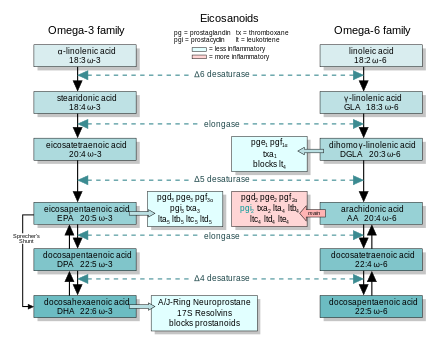
If we look at the conversion mechanisms:
From HERE

Linoleic acid (LA) and alpha-linolenic acid (ALA) have 18 carbons. LA has 2 double bonds and the first one is at carbon 6, therefore it is a member of Omega-6 (C18:2n-6). ALA's first double bond out of the 3 is at carbon 3 so is part of the Omega-3 family (C18:3n-3). Both of these fatty acids (LA and ALA) are converted in the body to have more double bonds and increased number of carbons. LA is converted to arachidonic acid (AA) with 20 carbons and 4 double bonds (20:4) and ALA is converted to eicosapentaenoic acid (EPA) which has 20 carbons and 5 double bonds (20:5). EPA can be further converted to docosahexaenoic acid (DHA) consisting of 22 carbons and 6 double bonds (22:6).

Why are they important?
Those converted products are precursors of Eicosanoids which are signaling molecules. For example, EPA is a precursor for prostaglandins-3 (inhibits platelet aggregation), thromboxane-3 and leukotrienes-5 group which are messengers involved in our immunity and inflammation response.
Both Omega-3 and -6 have pro-inflammatory effects, although Omega-3 less so than -6 or null depending on the tissue involved, which led to the popular understanding that -3 was anti-inflammatory is -6 was pro-inflammatory.
From HERE
Both Omega-3 and Omega-6 compete for the same enzymes (Desaturase and Elongase represented here above in the middle) that will lead to these pro-inflammatory Eicosanoids. 
Wikipedia tells us that the amounts and balance of these fats in a person's diet will affect the body's eicosanoid-controlled functions, with effects on cardiovascular disease, triglycerides, blood pressure, and arthritis.
(NOTE: Anti-inflammatory drugs such as aspirin and ibuprofen, to name but a couple, act by downregulating eicosanoid synthesis.)
This competition for the enzymes sparked the wide belief that a balanced diet of Omega-3 and -6 was therefore essential for our body. Indeed, since our Westernized diet at an Omega-3 and -6 ratio of 1:20, due to the extensive use of Omega-6-rich vegetable oils, is far from the ideal 1:1 or the more realistic 1:4, it has been 'web-widely' speculated that it is the reason of our suffering from many diseases such as Cardiovascular disease, type 2 diabetes, obesity, metabolic syndrome, IBS & inflammatory bowel disease, macular degeneration, rheumatoid arthritis, asthma, cancer, psychiatric disorders.

Do I need to take supplements?
As for anything, the choice is yours!
Following the belief that taking Omega-3 supplements was boosting pupils brain's functions, a couple of studies have tested groups of pupils either by giving them supplements or a placebo, or by measuring their DHA levels vs diet vs their school results. Needless to say, none of these studies have shown unequivocally that taking supplements was the cause for an increase in cognitive behaviour. Indeed, even the pupils taking the placebos, for the simple fact that they were watched over, were improving. Regarding the lab analysis of their DHA levels, let's remember that association is not causation!
After a quick search, I found another trial, but this time, properly managed with controls and all. The results show no improvement!
But unfortunately it's not only on pupils brain's activities that Omega-3 have shown to have no effect, but also on adults's cardiovascular function and accident's incidence!
A large, randomized, controlled trial failed to demonstrate a benefit to n-3 fatty acid supplementation in patients with cardiovascular risk factors. Admittedly, one weakness of the study was that it failed to account for variability in patients' diets. However, in 1999, the GISSI Prevention Trial found that n-3 fatty acids significantly reduced cardiac deaths in people who had already experienced myocardial infarction. And in 2008, the GISSI-HF trial found significantly reduced mortality and hospital admissions in heart failure patients given fish oil capsules in conjunction with standard therapy.
Personally, I think that cardiovascular incidents is a big umbrella underwhich many varied diseases are assembled. The little differences between each could bring out those differences in Omega-3 supplementation effects. It is my understanding that, in 2014, we still don't know for sure! 
But, I didn't see anywhere that it was bad for your health! So... The choice is yours.
(However if you do suffer from cardiovascular disease, do not take my word for it, I'm not a GP Dr. It's best to listen to your GP or specialist!)

But, Omega-3 or -6 are bad for our health?
Although studies suggest that intake of ALA supplements may moderately decrease the incidence of cardiovascular incidents, the results are either slightly statistically significant or just confusing.
There are also a number of studies suggesting that high levels of ALA in the blood and fat cells may correlate with an higher risk of prostate cancer. Although a dietary supplement of 2g did increase a blood biomarker for Prostate cancer, the results were not significant. Why mention it then?
Other studies dispute the relevance of stating such an effect when observational studies show no concrete difference. On the other hand, some studies show a protective effect or a genetic predisposition to prostate cancer enhanced by ALA. Again, these data are all very confusing and have to be taken extremely lightly.
These 2 nice articles on debugging the "fake" 'link' between Omega-3 supplements and Prostate cancer along with the comments will give you some nice insight into how to interpret results:
The Huffington post
Dr Geo's post

What's SSS take-home message?
Eat Fish!
As for Omega-3 pills, look out for DHA and EPA levels. I came across this website, and I think if you'd like a supplement, this one looks the best thought of.
I'm tempted to say, stay away from Omega-6 supplements. That is for that reason that I stopped giving my baby SMA toddler's milk that contain Omega-3 and Omega-6 supplements!

See you Soon for more Sexy Science,


References
http://www.ncbi.nlm.nih.gov/pmc/articles/PMC3865857/
http://www.ncbi.nlm.nih.gov/pubmed/19921446
http://www.ncbi.nlm.nih.gov/pubmed/12442909
http://www.medpagetoday.com/Cardiology/Prevention/38969
http://www.badscience.net/2010/06/the-return-of-a-2bn-fishy-friend/#more-1675
http://www.plosone.org/article/info%3Adoi%2F10.1371%2Fjournal.pone.0066697
http://paleozonenutrition.com/2011/05/10/omega-6-and-3-in-nuts-oils-meat-and-fish-tools-to-get-it-right/
http://www.barebiology.com/pages/what-is-omega3
http://www.webmd.com/diet/healthy-kitchen-11/omega-fatty-acids
http://www.ncbi.nlm.nih.gov/pmc/articles/PMC3859488/
http://ajcn.nutrition.org/content/96/6/1262.long
http://www.ncbi.nlm.nih.gov/pubmed/15051847
http://www.ncbi.nlm.nih.gov/pubmed/18951003

Tuesday, 31 December 2013

Happy New Year 2014!!!!

0 Sexy People gave their opinion
My Dear Sexy Readers,

I wish you all a Sexy
I hope you had a fantastic Christmas, hopefully surrounded by your family. 
NOW is time for fun with friends!!!
If you are out and about tonight, you will be in full preparation mode about right now, so if you are wondering what are the "chemicals" you put on your face, check out SSS mini series on Chemicals in your Make up.
Later on, you might be tempted by a late night snack such as a little omelet? Maybe you will be wondering if your eggs are still fresh, although this might not be your biggest worry. Anyhow, here is how to know!
Or maybe you'd like a nice piece of toast with some Nutella on it?
To make sure that you are not too hungovered, you might be tempted to finish your night with a cuppa. Find out here what are the effects of caffeine in your body.
Tomorrow morning, you will probably wake up wondering why you feel the way you feel!?! It might be about anything but this article is about 'feeling rough' after a big one!!!
And then will start the usual guilty feelings about not respecting your body, so you will be tempted to start a January Detox programme. Come over here for some tips and how to avoid spending too much money on so called miracle cures!

See you Soon for More Sexy Science,


Monday, 21 January 2013

Eating healthy to be healthy never rang so true - An onion story

0 Sexy People gave their opinion
Dear Sexy Readers,

Out with friends and talking about the fact that we are all coming down with a cold or other illness at the moment, my friend M. then replied that he hasn't fallen ill in 3 years because he has been regularly eating rings of raw onions! I just looked at him and said "What the Hell are you talking about? Dude, that's probably a myth" and thought to myself "Jeez, I need to check that out for my SSS peeps"...
BTW, Onions have previously made the SSS team when we looked at why we cry when we chop them, check it out  ;)


Onions, your winter best friend?
Why, first I googled it and what did I find? An amazing old wive's tale whereby cut onions left in rooms would protect inhabitants from illnesses. While you can read accounts of people of how they recovered from pneumonia after leaving half an onion pierced with a fork in a glass on their bedside table, there is no scientific proof to show that onions can actually absorb bacteria and viruses and free your room of these (after all) non-airborne germs!!
What you can find however regarding the consumption of onions is  a division in "beliefs" with one party (non-scientific one) that claims that eating onions - that have absorbed germs - is bad for your health and will transfer the germs to your body and the other party (scientific one) that doesn't refute the potential boost onions can give to your immunity in the fight against germs.

Onions - anti-oxidant and anti-inflammatory wonders
Turned out that many ingredients in your kitchen have health benefits such as garlic and turmeric to name but a few!
But I think first we need to look at what is an anti-oxidant and what the fuss is all about:

Antioxidant
An antioxidant by definition prevents oxidation. Oxidation reactions in our body are essential but some of them produce free radicals. Those free radicals can cause serious damage by messing with the structure of big molecules that are necessary for the fitness of your system. That is why it is important to get rid of them, but an imbalance between those free radicals and your antioxidants can lead to the development of diseases.
From HERE

Anti-inflammatory
As its name says, it reduces inflammation. Inflammation is the response of our body to infection/injury. In the case of an injury or an external inflammation such as acne and dermatitis, the 4 typical signs of inflammation at a site are being red, hot, painful and swollen. But  inflammatory diseases also include allergies, cancer, atherosclerosis, appendicitis etc...
From HERE

My onions
So what is it exactly that is so good for you! Well in fact in onions there are 3 goodnesses called Quercetin, Kaempferol and Myricetin. These are what scientists call Flavonols.
FYI: Flavonol are part of a big family, the Flavonoids, and its sister Flavanal is found in dark chocolate (and gives its bitterness).
You can find Flavonols in fruits, vegetables, leaves and grains but they are present at their highest concentrations in onions, tea, apples, berries, kale and broccoli. You can also find them as supplemented ingredients in food, mostly as preservatives.
Quercetin is most abundant in onions and apples.
In terms of magic wonders, Kaempferol has been shown to reduce the risk of developing disorders such as cancer and cardiovascular diseases for their properties as antioxidant, anti-inflammatory, antimicrobial, anticancer, cardioprotective, neuroprotective, antidiabetic, antiosteoporotic, anxiolytic, analgesic and antiallergic.
Myricetin, also present in red wine, has antioxidant properties and some research suggests that it could help keep your cholesterol low.
Also a big study on people diet habits has shown that smokers had a lower risk of developing pancreatic cancer (both are linked) if they were including flavonol rich foods such as onions (and therefore a combination of these 3 flavonols) and apples (Nöthlings et al, 2007).

Raw or cooked?
As far as the studies go, there was no distinction between the two so I can only assume that it doesn't matter. In fact, in this paper, patients had to fill a form that listed several foods, including apple (ie.uncooked) and onions as such or as part of a mixed cooked dishes (Nöthlings et al, 2007).

Onion soup recipe
Waiting to hear from fellow bloggers for theirs, here is one out of the bbc good food website!

Here you go my dear sexy readers, Come back soon for some more SSS,


References
Wikipedia
Nöthlings et al, Am J Epidemiol 2007; 166: 924-931
Diplock et al., Br J Nutr 1998; 80 Supp1: S77-112
Tapsell et al., Med J Aust 2006; 185 Supp4: S4-24

Tuesday, 1 January 2013

Feeling rough and dehydrated? Oh why?

1 Sexy People gave their opinion
Dear Sexy Readers,
(... Although I guess right now you don't feel very sexy... Did you overdo it?)

First and foremost:


I hope you all had a wonderful Xmas and partied hard for New Year!!! Let's welcome Sexy 2013, yeahhhhh...
So let's kick off this new year by looking at why the hell you all feel your skin is going to crack and what you should do about it!
Is the culprit alcohol? Coffee? Whatever happened last night, you swear that you'll never do it again? I bet you are not alone...

Why is my skin dry?
Well, simply because alcohol and coffee are diuretics. Meaning that they make you pee! and the more you drink the more you pee, but you pee more than what you drank: Your body is actually losing its own water. The result is that your mouth is the driest, your scalp is flaky, your face is about to crack and your hands are rough!

Diuretic?
A diuretic is something that promotes the formation of urine by the kidney. They do so by diverse means that disturb the balance between the kidney and electrolytes (sodium, chloride and potassium) normally absorbed.
Alcohol also reduces the production of a hormone called vasopressin. The role of that hormone is to tell your kidney to reabsorb water and not flush it out through the bladder. So if alcohol reduces that signal, the door to your bladder is wide open and just fills up with fluid!

Check out this video on how and why

How to avoid it?
Well well,... By not drinking? Or you could slightly counteract the effect by alternating your drinks with pints of water. And the well known advice to drink coffee to sober up is, as you now realise, the worst one as it just increases your dehydration problem.

What can I do to repair my skin?
Drink drink drink loads of water, avoid hot showers, don't rub your skin too harsh and moisturise it after your shower.

What moisturiser to use?
As anything in the beauty department you'll have to try what's best for you and your skin. You might wanna read some tips on ingredients found in beauty products (Lotions recipes, chemicals in make up). Some of you suffer from dermatitis and should be extra careful when choosing one. Check out this previous post of mine where I address a common skin problem namely Eczema.
However if you are a bit of wannabe chemist - like me!, I found you a few sites where you can get ideas on how to make your own:
Photo borrowed from HERE
Recipe for Home Made Moisturiser

You only need a few things such as Beeswax, carrier oil and water, maybe some butter and definitely some antibacterial agent!
Looking through many beauty blogs, I found this very sexy post on Crunchy Betty named Simple Homemade 3-ingredient facial Oil Moisturiser that explains a little bit of the different oils you can find to use as a base for your cream.
Then I found this post entitled How to make your own moisturiser and skin cream which is really good as it explain to you exactly what and how to put ingredients in your cream.
For a definitive recipe on how to blend your ingredients, check out Mirror Image: How to make Natural Body Moisturiser.
Can't wait to try out my own!!

Happy Rehydration Sexy People...
Don't forget that this step should be carried out into a healthy living plan. For more info on this, check out my previous post on Detox Intox

See you soon,

Tuesday, 25 December 2012

Need a cure for your Xmas indigestion?

0 Sexy People gave their opinion
Dear Sexy Readers,
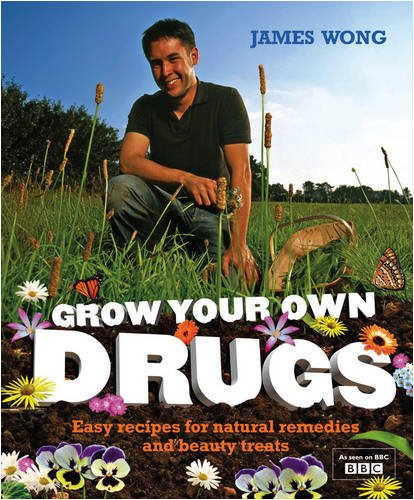
I bet right now you're feeling stuffed!!!! key word here being STUFFED!!!! Ah ah, me too!!! As I know many of you Love natural organic remedies, here is a quick home made recipe I found in this amazing book by James Wong

It's called Seaweed Stomach Soother:

For this you will need:

Sharing is Sexy

Great value Unlimited Broadband from an award winning provider